Have you ever watched someone struggle to get a wheelchair over a small step at a shop entrance, a hotel doorway, or even a friend's front door? It might seem like a minor obstacle, but for someone with limited mobility, that single step can make the difference between getting inside independently and needing help.
This is where a portable suitcase ramp can make a real difference.
Despite being a practical solution for wheelchair users, caregivers, older adults, and people recovering from injuries, these ramps don't always get the attention they deserve. We often talk about accessible buildings, elevators, wheelchair-friendly vehicles, and public transport. Yet, smaller accessibility solutions that help people navigate everyday obstacles can easily be overlooked.
So, why is nobody talking about portable suitcase ramps? Are they too simple to attract attention, or have we underestimated how useful they can be?
Let's explore what makes these ramps valuable, where they work best, what to consider before buying one, and why they deserve a bigger place in conversations about accessibility.
What Exactly Is a Portable Suitcase Ramp?
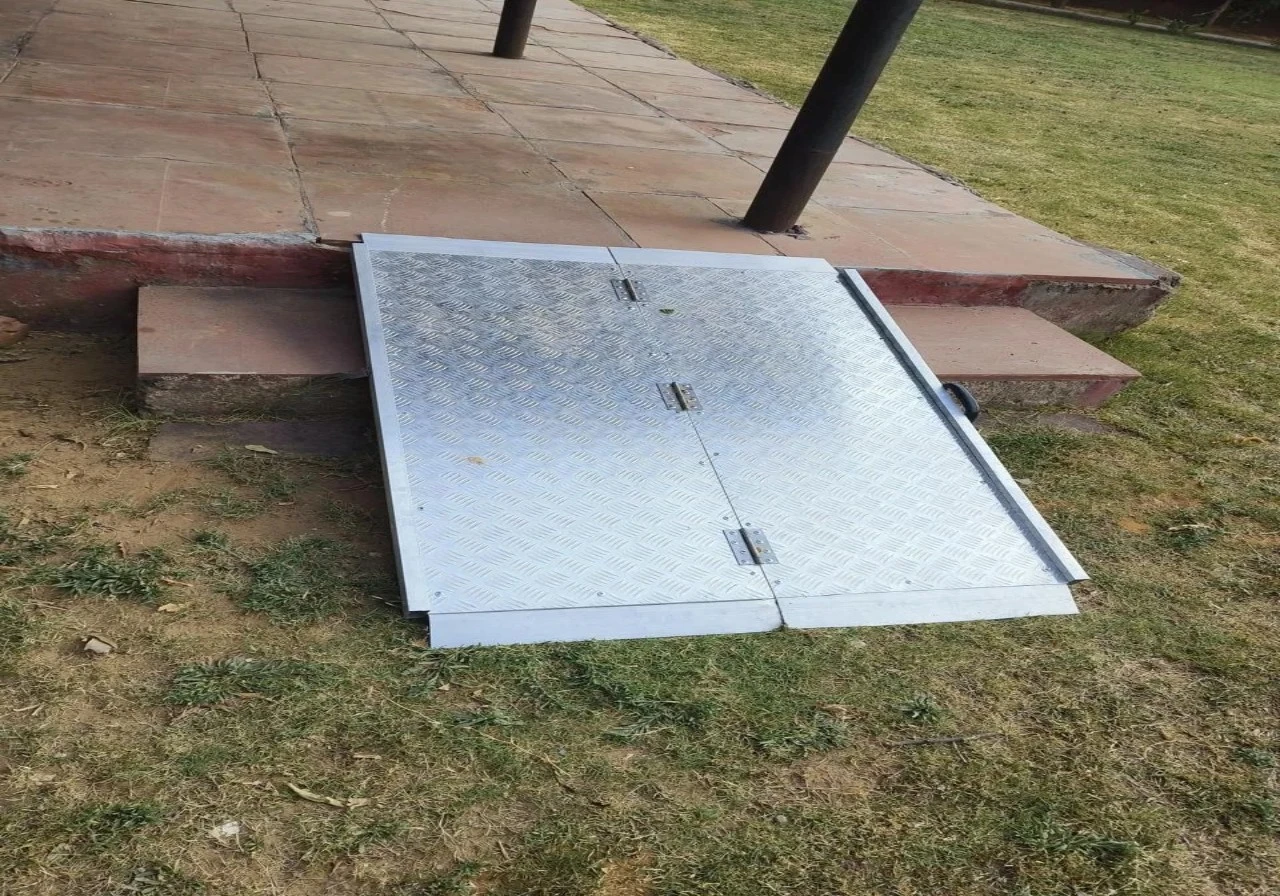
A portable suitcase ramp is a lightweight, foldable ramp designed to help people with mobility challenges move over small changes in elevation. These may include door thresholds, a few steps, raised entrances, or other low barriers.
The name comes from its suitcase-like design. Many models fold lengthwise and have a handle, making them easier to carry and store than permanent ramps.
When opened, the ramp creates a sloped surface between two different heights. A wheelchair user may then be able to move across the obstacle, provided the ramp's length, width, weight capacity, and slope are suitable for the situation.
Most portable suitcase ramps are made from aluminium because it offers a useful balance of strength and manageable weight. Many also feature textured or slip-resistant surfaces to improve traction.
They are available in different lengths and load capacities. Some are designed for short thresholds, while others are longer and intended for higher obstacles.
However, one important point is worth remembering: a portable ramp is not automatically suitable for every step or wheelchair. The correct model depends on the height of the obstacle, the available space, the user's mobility equipment, and whether assistance will be needed.
Why Are Portable Suitcase Ramps So Often Overlooked?
There are several reasons these practical accessibility tools don't receive as much attention as they should.
-
Accessibility Conversations Focus on Bigger Projects
When people discuss accessibility, they often think about major infrastructure projects. Ramps built into public buildings, lifts in shopping centres, accessible toilets, and wheelchair-friendly transport usually dominate the conversation.
These improvements are essential, but accessibility is not limited to large construction projects.
A building might have an accessible entrance yet still contain a raised doorway, an awkward internal step, or a small level difference that prevents someone from moving freely.
Portable suitcase ramps address some of these smaller obstacles. They may not look impressive, but they can solve a very real problem.
-
Many People Don't Realise They Exist
Ask someone who has never used a wheelchair whether they know about portable suitcase ramps, and they may have no idea what you mean.
They might picture a permanent concrete ramp or a long metal structure attached to a building. A compact ramp that folds up for transport may not even cross their minds.
This lack of awareness matters. People cannot consider a solution if they don't know it is available.
Caregivers, small business owners, event organisers, hotel managers, and families could all benefit from knowing more about these products.
-
They Look Simple, So People Underestimate Them
A portable ramp doesn't have complicated technology or an impressive digital interface. It is essentially a carefully designed sloping surface.
But simplicity should not be confused with a lack of value.
Think about how many everyday situations involve small steps. A family home may have a raised entrance. A small clinic may have a doorway that is difficult to navigate. A temporary event venue might have a low platform that creates an accessibility barrier.
A well-chosen ramp can help address these problems without requiring permanent structural changes.
-
Accessibility Is Still Sometimes Treated as an Afterthought
Unfortunately, accessibility is not always considered during the early stages of planning a building, event, or business.
Owners may only notice a barrier after a customer using a wheelchair arrives and cannot enter comfortably.
Portable ramps can offer a useful temporary option in some circumstances, but they should not become an excuse to ignore permanent accessibility improvements. Where a fixed, compliant ramp is needed, a portable product may not be an adequate substitute.
The better approach is to plan for accessibility from the beginning and use portable solutions where they genuinely make sense.
The Everyday Benefits of a Portable Suitcase Ramp
The biggest advantage of a portable suitcase ramp is its flexibility. Instead of being permanently attached to one location, it can be carried to different places when needed.
Here are some of the ways it can help.
Easier Access to Homes
Not every home has a level entrance. Older properties, raised doorways, and small porch steps can create difficulties for wheelchair users.
A suitable portable ramp may help someone enter or leave a home without needing expensive structural changes for every minor obstacle.
This can be particularly helpful for visiting relatives, temporary living arrangements, or situations where a permanent modification is not immediately possible.
Before using a ramp at home, check that it fits securely, provides enough traction, and leaves adequate room for safe movement.
More Flexible Travel
Travelling with mobility equipment often involves careful planning. Even when a destination claims to be accessible, a small threshold or unexpected step can complicate the journey.
A portable suitcase ramp can be useful for certain obstacles encountered at hotels, holiday rentals, family homes, and other destinations.
It does not guarantee that a location will be accessible, but it can provide another option when the obstacle is suitable for the ramp.
Travellers should still confirm entrance dimensions, step heights, and the availability of accessible facilities before setting off.
Better Support for Small Businesses
A small shop, café, salon, or local office may have limited space for permanent accessibility modifications. Depending on local regulations and the building, a portable ramp might help overcome a suitable low entrance barrier.
It can also be useful for temporary events, exhibitions, community gatherings, and market stalls.
However, businesses should assess whether the ramp is safe for their customers and whether a permanent solution is legally required. A ramp that blocks a doorway, creates a trip hazard, or is too steep can introduce new problems instead of solving the original one.
More Independence and Confidence
For many wheelchair users, independence is about having more control over ordinary decisions.
Being able to visit a friend, enter a local business, or attend an event without repeatedly asking someone to lift equipment over a step can make a meaningful difference.
A portable ramp may support that independence when the environment and ramp design allow safe use. Some people will still need a caregiver or trained assistant, particularly on steeper slopes or with heavier mobility equipment.
The goal is not to suggest that one product removes every barrier. It is to give people more practical options.
Portable Suitcase Ramps and Other Accessibility Products
Portable suitcase ramps are just one part of a much wider range of Accessibility Products designed to make everyday environments easier to navigate.
Depending on a person's needs, other useful options may include:
- Threshold ramps: Designed for small height differences at doorways and entrances.
- Modular ramps: Configurable systems that can provide access over more substantial height changes.
- Permanent wheelchair ramps: Fixed installations for locations that require a long-term access solution.
- Grab bars and handrails: Support balance and stability in suitable locations.
- Transfer aids: Help with moving safely between a wheelchair, bed, chair, or other surface.
- Portable wheelchair ramps with different configurations: May suit particular obstacles, provided their design and specifications match the intended use.
Each product serves a different purpose. A threshold ramp may be ideal for a low doorway lip, while a longer ramp may be necessary for a higher entrance.
Choosing the right solution starts with understanding the barrier rather than simply buying the most convenient product.
What Should You Check Before Buying a Portable Suitcase Ramp?
Portable ramps can be extremely useful, but choosing one based on price or appearance alone is not a good idea.
A few practical checks can help you avoid buying a ramp that is difficult or unsafe to use.
-
Measure the Height of the Obstacle
Start by measuring the vertical height from the lower surface to the upper surface.
This measurement helps determine how long the ramp needs to be. A ramp that is too short can create a steep slope, making wheelchair movement harder and potentially dangerous.
Always follow the manufacturer's slope guidance and any applicable accessibility requirements. The appropriate gradient depends on the setting, the ramp's intended use, and the user's capabilities.
-
Check the Weight Capacity
The ramp must support the combined weight of the wheelchair, its user, and any additional equipment, within the manufacturer's specified limits.
Do not assume that all aluminium ramps have the same capacity. Check the product documentation and consider how the load is distributed across the ramp.
-
Look at the Width
The usable width should accommodate the wheelchair safely, with enough clearance for the wheels.
Pay attention to the ramp's internal width rather than only its overall external dimensions. Raised side edges, hinges, and other design features can affect how much space is available.
-
Consider Weight and Portability
One of the main attractions of a suitcase ramp is that it can be transported.
However, a ramp that is lightweight enough for one caregiver may be difficult for another person to lift. Check its folded dimensions, carrying handle, opening mechanism, and actual weight before purchasing.
Think about where it will be stored and how often it will need to be carried.
-
Check the Surface and Safety Features
A slip-resistant surface is especially important in areas exposed to rain, dust, or moisture.
Look for secure hinges, stable contact points, suitable edge protection, and clear instructions for positioning the ramp. The ramp should not rock, slide, or shift under normal use.
Never use a ramp that appears damaged or cannot be secured properly.
-
Consider Who Will Use It
A ramp suitable for a manual wheelchair user who can propel themselves may not be ideal for a heavy powered wheelchair.
Some users may need assistance when moving up or down a slope. Others may require a longer ramp, a different design, or a permanent accessible route.
If there is any doubt, consult the ramp manufacturer, an accessibility specialist, or an occupational therapist familiar with the user's needs.
Are Portable Suitcase Ramps Suitable for Every Situation?
No, and understanding their limitations is just as important as recognising their benefits.
These ramps are generally best suited to obstacles that match their design and specifications. They may work well for certain thresholds, small steps, and temporary access needs.
They are not necessarily appropriate for high staircases, steep entrances, narrow spaces, or locations where the ramp cannot be positioned securely.
Weather also matters. Rain, mud, ice, and debris can affect traction and stability, even when a ramp has a textured surface.
There is also the question of local accessibility standards. Requirements for public buildings, commercial premises, and residential properties differ between countries and regions. A portable ramp that works for a private visit may not meet the legal requirements for a public entrance.
Before use, check the manufacturer's instructions, the site's conditions, and the relevant local rules. When a slope is too steep or the setup is unstable, choose another access route rather than attempting to manage the risk.
Why More People Should Talk About Portable Suitcase Ramps
The discussion around accessibility is gradually becoming broader, but there is still room to pay more attention to practical, everyday solutions.
Portable suitcase ramps deserve more visibility because they connect accessibility with real life. They are relevant not only to people who use wheelchairs but also to caregivers, families, healthcare providers, business owners, and organisations that host public events.
Better awareness could help people recognise access barriers before they become a problem. A shop owner might check an entrance before opening a business. A hotel manager might review small thresholds that guests struggle with. A family might prepare a safe entrance before a wheelchair-using relative arrives.
Manufacturers and retailers also have a role to play. Clear product descriptions, accurate measurements, understandable safety guidance, and honest explanations of limitations make it easier for buyers to choose suitable equipment.
Most importantly, conversations about portable ramps should be part of a wider commitment to inclusive design. Temporary solutions have value, but everyone should also be able to expect that public spaces, homes, and services are designed with different mobility needs in mind.
Conclusion: A Small Ramp Can Make a Meaningful Difference
So, why is nobody talking about portable suitcase ramps?
Perhaps they are overlooked because they seem too simple, because accessibility discussions often focus on larger projects, or because many people do not realise how useful they can be.
Whatever the reason, these ramps deserve more attention.
A well-chosen Portable Suitcase Ramp can help overcome certain everyday barriers, make visits easier to manage, and offer greater flexibility when travelling or entering unfamiliar buildings. For businesses and families, it can be a practical addition to a broader accessibility plan.
The important thing is to choose carefully, measure accurately, and never compromise on safe use.
Accessibility is not only about major building projects or expensive technology. Sometimes, it starts with noticing a small step that someone else cannot easily cross and finding a sensible way to remove that barrier.
That is why portable suitcase ramps deserve to be part of the conversation about inclusive spaces and better everyday access.
Frequently Asked Questions (FAQs)
- What is a portable suitcase ramp used for?
A portable suitcase ramp helps wheelchair users and some people with mobility limitations move over suitable low obstacles, such as door thresholds or small steps. Its foldable design makes it easier to transport and store.
- Are portable suitcase ramps suitable for manual and powered wheelchairs?
Some models are suitable for both, but compatibility depends on the ramp's width, length, weight capacity, and design. Powered wheelchairs can be particularly heavy, so always check the manufacturer's specifications before use.
- How do I choose the correct ramp length?
Measure the height of the obstacle and consult the manufacturer's guidance on the permitted slope. A greater height generally requires a longer ramp to create a gentler incline. Do not select a ramp based on height alone without considering the available landing space and the user's abilities.
- Can I use a portable suitcase ramp outdoors?
Yes, if the model is designed for outdoor use and the surface and conditions are suitable. Check for secure positioning, adequate traction, and the manufacturer's weather-related guidance. Avoid using a ramp on slippery or unstable ground.
- Are portable suitcase ramps easy to carry?
Many models fold into a compact shape and include a handle. However, their weight and folded dimensions vary considerably. Check the specifications and make sure the person carrying the ramp can lift and manage it safely.
- Can a portable ramp replace a permanent wheelchair ramp?
Not in every situation. Portable ramps can help with certain temporary or low-level access problems, but they may not meet the requirements for a permanent accessible entrance. Building regulations, accessibility standards, and the specific site conditions should guide the decision.
- Where can I buy a portable suitcase ramp?
You can look at specialist mobility equipment retailers, accessibility product suppliers, medical equipment stores, and reputable online marketplaces. Compare measurements, load capacity, materials, safety features, warranty terms, and after-sales support before purchasing.
- Are portable suitcase ramps only for wheelchair users?
Wheelchair users are a primary audience, but suitable ramps may also assist some people using mobility devices and caregivers managing equipment over small obstacles. However, they are not a general-purpose walking aid, and their suitability depends on the individual and the ramp design.
Have you ever watched someone struggle to get a wheelchair over a small step at a shop entrance, a hotel doorway, or even a friend's front door? It might seem like a minor obstacle, but for someone with limited mobility, that single step can make the difference between getting inside independently and needing help.
This is where a portable suitcase ramp can make a real difference.
Despite being a practical solution for wheelchair users, caregivers, older adults, and people recovering from injuries, these ramps don't always get the attention they deserve. We often talk about accessible buildings, elevators, wheelchair-friendly vehicles, and public transport. Yet, smaller accessibility solutions that help people navigate everyday obstacles can easily be overlooked.
So, why is nobody talking about portable suitcase ramps? Are they too simple to attract attention, or have we underestimated how useful they can be?
Let's explore what makes these ramps valuable, where they work best, what to consider before buying one, and why they deserve a bigger place in conversations about accessibility.
What Exactly Is a Portable Suitcase Ramp?
A portable suitcase ramp is a lightweight, foldable ramp designed to help people with mobility challenges move over small changes in elevation. These may include door thresholds, a few steps, raised entrances, or other low barriers.
The name comes from its suitcase-like design. Many models fold lengthwise and have a handle, making them easier to carry and store than permanent ramps.
When opened, the ramp creates a sloped surface between two different heights. A wheelchair user may then be able to move across the obstacle, provided the ramp's length, width, weight capacity, and slope are suitable for the situation.
Most portable suitcase ramps are made from aluminium because it offers a useful balance of strength and manageable weight. Many also feature textured or slip-resistant surfaces to improve traction.
They are available in different lengths and load capacities. Some are designed for short thresholds, while others are longer and intended for higher obstacles.
However, one important point is worth remembering: a portable ramp is not automatically suitable for every step or wheelchair. The correct model depends on the height of the obstacle, the available space, the user's mobility equipment, and whether assistance will be needed.
Why Are Portable Suitcase Ramps So Often Overlooked?
There are several reasons these practical accessibility tools don't receive as much attention as they should.
- Accessibility Conversations Focus on Bigger Projects
When people discuss accessibility, they often think about major infrastructure projects. Ramps built into public buildings, lifts in shopping centres, accessible toilets, and wheelchair-friendly transport usually dominate the conversation.
These improvements are essential, but accessibility is not limited to large construction projects.
A building might have an accessible entrance yet still contain a raised doorway, an awkward internal step, or a small level difference that prevents someone from moving freely.
Portable suitcase ramps address some of these smaller obstacles. They may not look impressive, but they can solve a very real problem.
- Many People Don't Realise They Exist
Ask someone who has never used a wheelchair whether they know about portable suitcase ramps, and they may have no idea what you mean.
They might picture a permanent concrete ramp or a long metal structure attached to a building. A compact ramp that folds up for transport may not even cross their minds.
This lack of awareness matters. People cannot consider a solution if they don't know it is available.
Caregivers, small business owners, event organisers, hotel managers, and families could all benefit from knowing more about these products.
- They Look Simple, So People Underestimate Them
A portable ramp doesn't have complicated technology or an impressive digital interface. It is essentially a carefully designed sloping surface.
But simplicity should not be confused with a lack of value.
Think about how many everyday situations involve small steps. A family home may have a raised entrance. A small clinic may have a doorway that is difficult to navigate. A temporary event venue might have a low platform that creates an accessibility barrier.
A well-chosen ramp can help address these problems without requiring permanent structural changes.
- Accessibility Is Still Sometimes Treated as an Afterthought
Unfortunately, accessibility is not always considered during the early stages of planning a building, event, or business.
Owners may only notice a barrier after a customer using a wheelchair arrives and cannot enter comfortably.
Portable ramps can offer a useful temporary option in some circumstances, but they should not become an excuse to ignore permanent accessibility improvements. Where a fixed, compliant ramp is needed, a portable product may not be an adequate substitute.
The better approach is to plan for accessibility from the beginning and use portable solutions where they genuinely make sense.
The Everyday Benefits of a Portable Suitcase Ramp
The biggest advantage of a portable suitcase ramp is its flexibility. Instead of being permanently attached to one location, it can be carried to different places when needed.
Here are some of the ways it can help.
Easier Access to Homes
Not every home has a level entrance. Older properties, raised doorways, and small porch steps can create difficulties for wheelchair users.
A suitable portable ramp may help someone enter or leave a home without needing expensive structural changes for every minor obstacle.
This can be particularly helpful for visiting relatives, temporary living arrangements, or situations where a permanent modification is not immediately possible.
Before using a ramp at home, check that it fits securely, provides enough traction, and leaves adequate room for safe movement.
More Flexible Travel
Travelling with mobility equipment often involves careful planning. Even when a destination claims to be accessible, a small threshold or unexpected step can complicate the journey.
A portable suitcase ramp can be useful for certain obstacles encountered at hotels, holiday rentals, family homes, and other destinations.
It does not guarantee that a location will be accessible, but it can provide another option when the obstacle is suitable for the ramp.
Travellers should still confirm entrance dimensions, step heights, and the availability of accessible facilities before setting off.
Better Support for Small Businesses
A small shop, café, salon, or local office may have limited space for permanent accessibility modifications. Depending on local regulations and the building, a portable ramp might help overcome a suitable low entrance barrier.
It can also be useful for temporary events, exhibitions, community gatherings, and market stalls.
However, businesses should assess whether the ramp is safe for their customers and whether a permanent solution is legally required. A ramp that blocks a doorway, creates a trip hazard, or is too steep can introduce new problems instead of solving the original one.
More Independence and Confidence
For many wheelchair users, independence is about having more control over ordinary decisions.
Being able to visit a friend, enter a local business, or attend an event without repeatedly asking someone to lift equipment over a step can make a meaningful difference.
A portable ramp may support that independence when the environment and ramp design allow safe use. Some people will still need a caregiver or trained assistant, particularly on steeper slopes or with heavier mobility equipment.
The goal is not to suggest that one product removes every barrier. It is to give people more practical options.
Portable Suitcase Ramps and Other Accessibility Products
Portable suitcase ramps are just one part of a much wider range of Accessibility Products designed to make everyday environments easier to navigate.
Depending on a person's needs, other useful options may include:
- Threshold ramps: Designed for small height differences at doorways and entrances.
- Modular ramps: Configurable systems that can provide access over more substantial height changes.
- Permanent wheelchair ramps: Fixed installations for locations that require a long-term access solution.
- Grab bars and handrails: Support balance and stability in suitable locations.
- Transfer aids: Help with moving safely between a wheelchair, bed, chair, or other surface.
- Portable wheelchair ramps with different configurations: May suit particular obstacles, provided their design and specifications match the intended use.
Each product serves a different purpose. A threshold ramp may be ideal for a low doorway lip, while a longer ramp may be necessary for a higher entrance.
Choosing the right solution starts with understanding the barrier rather than simply buying the most convenient product.
What Should You Check Before Buying a Portable Suitcase Ramp?
Portable ramps can be extremely useful, but choosing one based on price or appearance alone is not a good idea.
A few practical checks can help you avoid buying a ramp that is difficult or unsafe to use.
- Measure the Height of the Obstacle
Start by measuring the vertical height from the lower surface to the upper surface.
This measurement helps determine how long the ramp needs to be. A ramp that is too short can create a steep slope, making wheelchair movement harder and potentially dangerous.
Always follow the manufacturer's slope guidance and any applicable accessibility requirements. The appropriate gradient depends on the setting, the ramp's intended use, and the user's capabilities.
- Check the Weight Capacity
The ramp must support the combined weight of the wheelchair, its user, and any additional equipment, within the manufacturer's specified limits.
Do not assume that all aluminium ramps have the same capacity. Check the product documentation and consider how the load is distributed across the ramp.
- Look at the Width
The usable width should accommodate the wheelchair safely, with enough clearance for the wheels.
Pay attention to the ramp's internal width rather than only its overall external dimensions. Raised side edges, hinges, and other design features can affect how much space is available.
- Consider Weight and Portability
One of the main attractions of a suitcase ramp is that it can be transported.
However, a ramp that is lightweight enough for one caregiver may be difficult for another person to lift. Check its folded dimensions, carrying handle, opening mechanism, and actual weight before purchasing.
Think about where it will be stored and how often it will need to be carried.
- Check the Surface and Safety Features
A slip-resistant surface is especially important in areas exposed to rain, dust, or moisture.
Look for secure hinges, stable contact points, suitable edge protection, and clear instructions for positioning the ramp. The ramp should not rock, slide, or shift under normal use.
Never use a ramp that appears damaged or cannot be secured properly.
- Consider Who Will Use It
A ramp suitable for a manual wheelchair user who can propel themselves may not be ideal for a heavy powered wheelchair.
Some users may need assistance when moving up or down a slope. Others may require a longer ramp, a different design, or a permanent accessible route.
If there is any doubt, consult the ramp manufacturer, an accessibility specialist, or an occupational therapist familiar with the user's needs.
Are Portable Suitcase Ramps Suitable for Every Situation?
No, and understanding their limitations is just as important as recognising their benefits.
These ramps are generally best suited to obstacles that match their design and specifications. They may work well for certain thresholds, small steps, and temporary access needs.
They are not necessarily appropriate for high staircases, steep entrances, narrow spaces, or locations where the ramp cannot be positioned securely.
Weather also matters. Rain, mud, ice, and debris can affect traction and stability, even when a ramp has a textured surface.
There is also the question of local accessibility standards. Requirements for public buildings, commercial premises, and residential properties differ between countries and regions. A portable ramp that works for a private visit may not meet the legal requirements for a public entrance.
Before use, check the manufacturer's instructions, the site's conditions, and the relevant local rules. When a slope is too steep or the setup is unstable, choose another access route rather than attempting to manage the risk.
Why More People Should Talk About Portable Suitcase Ramps
The discussion around accessibility is gradually becoming broader, but there is still room to pay more attention to practical, everyday solutions.
Portable suitcase ramps deserve more visibility because they connect accessibility with real life. They are relevant not only to people who use wheelchairs but also to caregivers, families, healthcare providers, business owners, and organisations that host public events.
Better awareness could help people recognise access barriers before they become a problem. A shop owner might check an entrance before opening a business. A hotel manager might review small thresholds that guests struggle with. A family might prepare a safe entrance before a wheelchair-using relative arrives.
Manufacturers and retailers also have a role to play. Clear product descriptions, accurate measurements, understandable safety guidance, and honest explanations of limitations make it easier for buyers to choose suitable equipment.
Most importantly, conversations about portable ramps should be part of a wider commitment to inclusive design. Temporary solutions have value, but everyone should also be able to expect that public spaces, homes, and services are designed with different mobility needs in mind.
Conclusion: A Small Ramp Can Make a Meaningful Difference
So, why is nobody talking about portable suitcase ramps?
Perhaps they are overlooked because they seem too simple, because accessibility discussions often focus on larger projects, or because many people do not realise how useful they can be.
Whatever the reason, these ramps deserve more attention.
A well-chosen Portable Suitcase Ramp can help overcome certain everyday barriers, make visits easier to manage, and offer greater flexibility when travelling or entering unfamiliar buildings. For businesses and families, it can be a practical addition to a broader accessibility plan.
The important thing is to choose carefully, measure accurately, and never compromise on safe use.
Accessibility is not only about major building projects or expensive technology. Sometimes, it starts with noticing a small step that someone else cannot easily cross and finding a sensible way to remove that barrier.
That is why portable suitcase ramps deserve to be part of the conversation about inclusive spaces and better everyday access.
Frequently Asked Questions (FAQs)
- What is a portable suitcase ramp used for?
A portable suitcase ramp helps wheelchair users and some people with mobility limitations move over suitable low obstacles, such as door thresholds or small steps. Its foldable design makes it easier to transport and store.
- Are portable suitcase ramps suitable for manual and powered wheelchairs?
Some models are suitable for both, but compatibility depends on the ramp's width, length, weight capacity, and design. Powered wheelchairs can be particularly heavy, so always check the manufacturer's specifications before use.
- How do I choose the correct ramp length?
Measure the height of the obstacle and consult the manufacturer's guidance on the permitted slope. A greater height generally requires a longer ramp to create a gentler incline. Do not select a ramp based on height alone without considering the available landing space and the user's abilities.
- Can I use a portable suitcase ramp outdoors?
Yes, if the model is designed for outdoor use and the surface and conditions are suitable. Check for secure positioning, adequate traction, and the manufacturer's weather-related guidance. Avoid using a ramp on slippery or unstable ground.
- Are portable suitcase ramps easy to carry?
Many models fold into a compact shape and include a handle. However, their weight and folded dimensions vary considerably. Check the specifications and make sure the person carrying the ramp can lift and manage it safely.
- Can a portable ramp replace a permanent wheelchair ramp?
Not in every situation. Portable ramps can help with certain temporary or low-level access problems, but they may not meet the requirements for a permanent accessible entrance. Building regulations, accessibility standards, and the specific site conditions should guide the decision.
- Where can I buy a portable suitcase ramp?
You can look at specialist mobility equipment retailers, accessibility product suppliers, medical equipment stores, and reputable online marketplaces. Compare measurements, load capacity, materials, safety features, warranty terms, and after-sales support before purchasing.
- Are portable suitcase ramps only for wheelchair users?
Wheelchair users are a primary audience, but suitable ramps may also assist some people using mobility devices and caregivers managing equipment over small obstacles. However, they are not a general-purpose walking aid, and their suitability depends on the individual and the ramp design.